Published on 3 August 2026
Sicily Fiennes (project lead) – National Trust

Bryony Aitchison (project lead) – National Trust
Siobhan Vye – National Trust
Claire Collins – National Trust

David Bavin – National Trust

Matthew Heard – National Trust

Sarah Crowley – University of Exeter
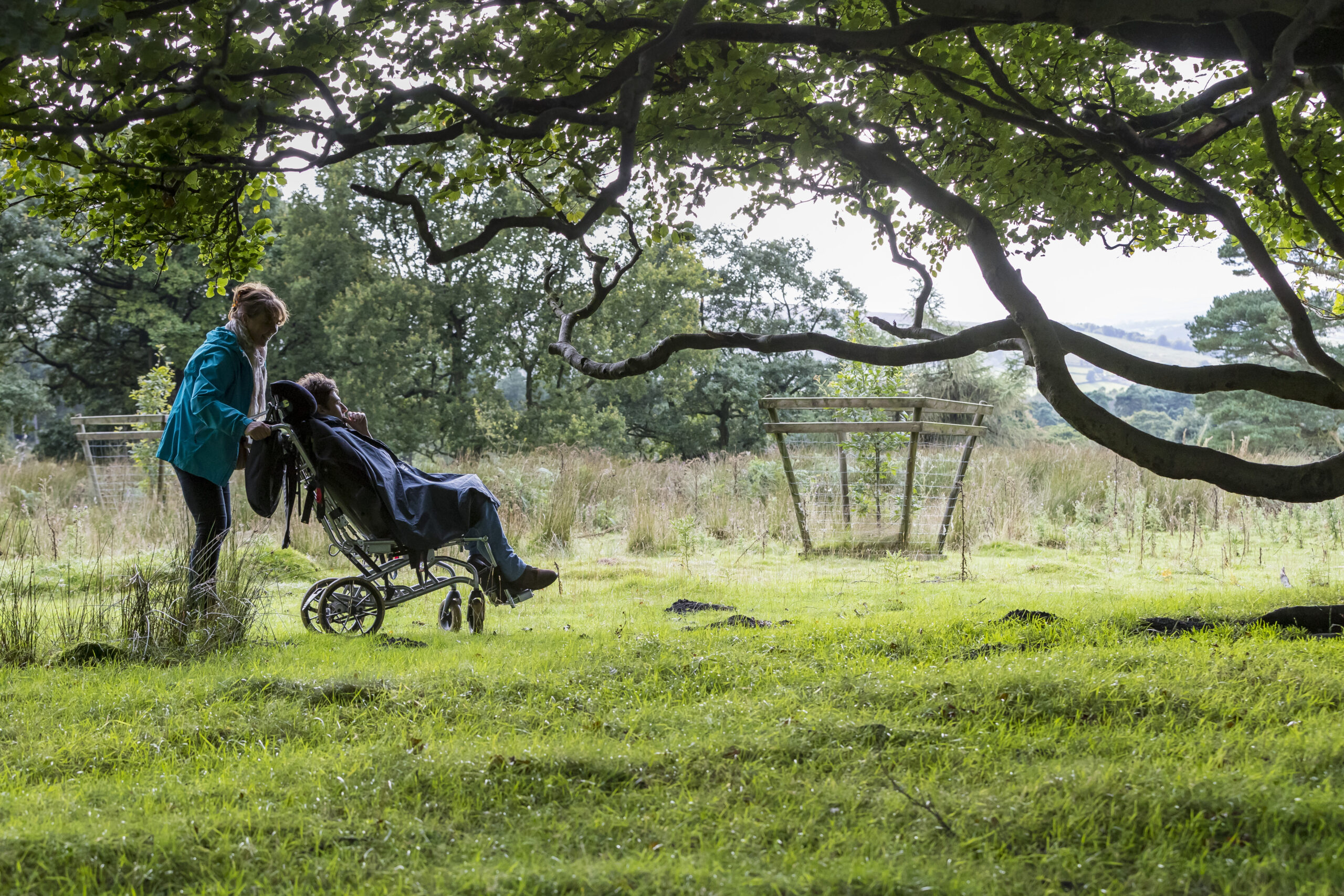
ExCASES missions provide short, intense periods of focus towards issues communicated as priorities for RENEW partner organisations and external stakeholders. The ExCASES team work collaboratively with people across different sectors and disciplines, co-designing research and participatory processes to generate empowering outcomes for people and the environment.
This mission aims to:
Mission findings are being developed collaboratively with individuals with lived experience of disability, who have collectively adopted the term ‘community researchers’. Our methodology is informed by principles of co-production, though it is not formally defined as such due to the time constraints of the ExCASES ‘sprint’ model.
The community researcher group includes volunteers and employees from organisations including Disability Rights, Inclusive Paddleboarding, and the Disabled Ramblers, alongside Disabled academics and activist groups.
Through monthly meetings, the community researchers guide the direction of the work, shaping our exploration of key themes and research questions. This approach also identifies pathways for collaboration, drawing on the expertise of community researchers to shape how research outputs are communicated to eNGOs and land managers.
Next steps for this mission include creating a vision of what an ideal accessible environment could look and feel like. To do this, we will invite a visual scribe to one of our Community Researcher meetings. We will ensure the visual scribing process is accessible by creating post-event outputs with relevant audio clips embedded, alongside audio descriptions.
We see the involvement of a visual scribe not as a singular output, but as a pathway to a range of multisensory outputs for this mission. These outputs will be shared with stakeholders to help start conversations and support dialogue between the Community Researchers land managers about creating enabling environments.
Mission outputs will be linked here when published.