


Published on 28 September 2026
There is mounting evidence that environments of the past are being forgotten. Researcher Bingshu Zhao reflects on the recent Environmental Amnesia workshop held in Exeter in September which wrestled with these questions: What are the mechanisms by which this is happening? What does this mean for how we approach our environmental crises as ethical challenges? And what does it mean for the search for solutions adequate to these challenges?
One Chinese character in my name, ‘shu’, was chosen by my dad from an anonymous poem in the 8th- 7th centuries BCE, Zhou Dynasty. The various plants mentioned in those poems and songs, common in people’s everyday lives at that time, have become distant and even unknown to most modern readers. Such loss and forgetting over two thousand years may seem natural and inevitable. However, it becomes scientifically pressing and morally worrying when environmental amnesia happens and accelerates within 2-3 generations in our time and is blinding our future.
Our recent workshop ‘Perspectives on Environmental Memory’, organised by RENEW and the Biodiversity and People Network (BaPN), brought together leading voices on this challenge from ecological scientist Kevin J. Gaston (University of Exeter), philosophers Stephen M. Gardiner (University of Washington & St Andrews) and Catriona McKinnon (University of Exeter), and literature scholar Stef Craps (Ghent University).
The Prevalent Environmental Forgetting
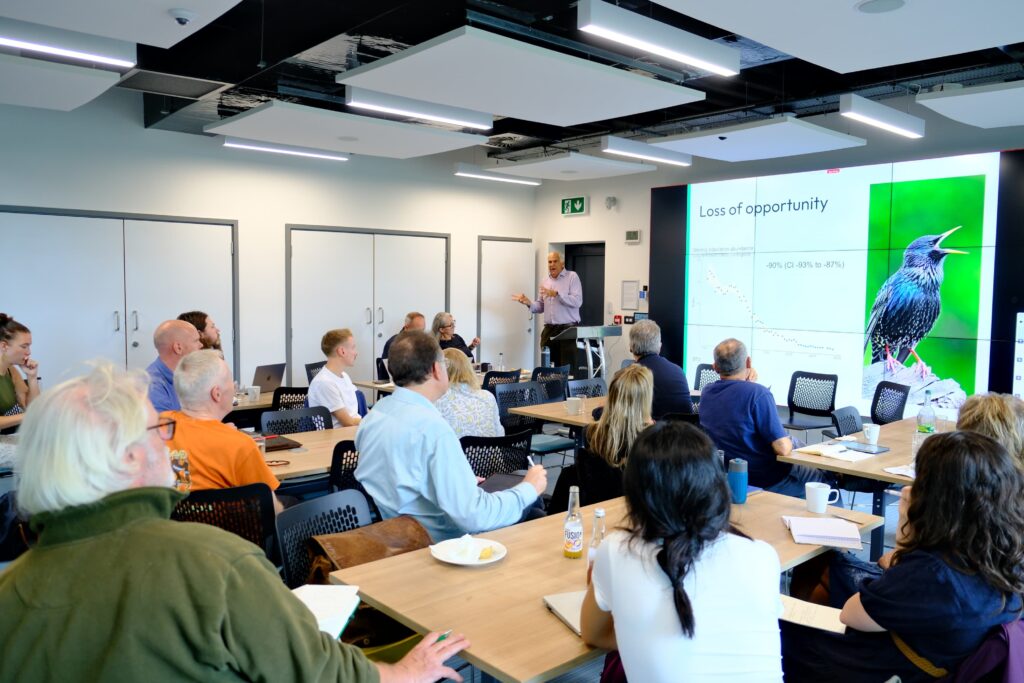
The world we inherit provides a baseline of natural environmental conditions that we perceive as the norm. As the environment degrades, each generation accepts a lower environmental baseline as normal and tolerates whatever they are exposed to as natural. As the environmental baseline declines, we may have little awareness of what we have lost and how big the scale of that environmental loss is. This phenomenon of shifting baseline syndrome (SBS), or environmental generational amnesia, is associated with diverse environmental issues and is prevalent globally across a wide range of social settings, as introduced by Professor Kevin J. Gaston (read more about Kevin’s research on the global prevalence of SBS here).
The Environmental Injustice in Blinding Future Generations
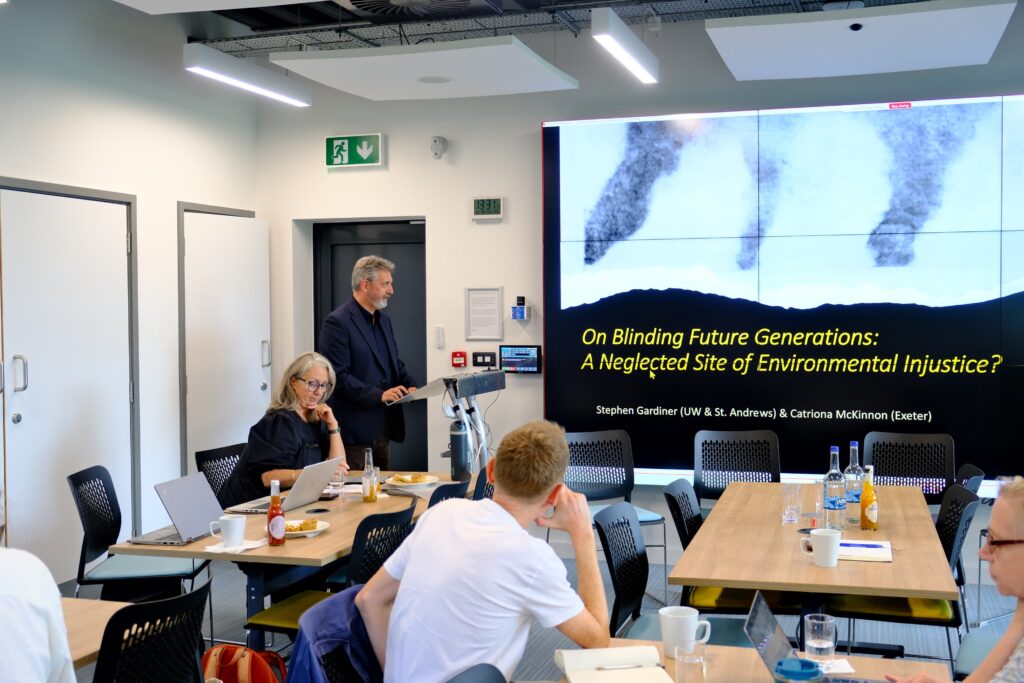
This raises serious concerns of intergenerational justice. As Professor Stephen M. Gardiner and Professor Catriona McKinnon explained, present generations can impose unjust burdens on younger generations and conceal their wrongs from vulnerable future people. This intergenerational power is open to abuse, and such misbehaviour tends to accumulate over time. In the environmental realm, SBS makes intergenerational blinding possible, where children grow up with an extinction of their experiences and knowledge of nature. (Read more about Stephen and Catriona’s article on blinding future generations.)
Personalised Ecology and Mediated Environmental Experience
What can we do before forgetting? How can we remember what has been forgotten?
To address the extinction of environmental experience, Kevin and his team proposed ‘Personalised Ecology’, which investigates direct interactions between individuals and nature. A better understanding of the ecological dimensions of human-nature interactions seeks to reverse the vicious cycle of ‘fewer interactions with nature – less awareness of the value of biodiversity – worse environmental degradation’ by improving policy design and management to enhance benefits for both people and nature.
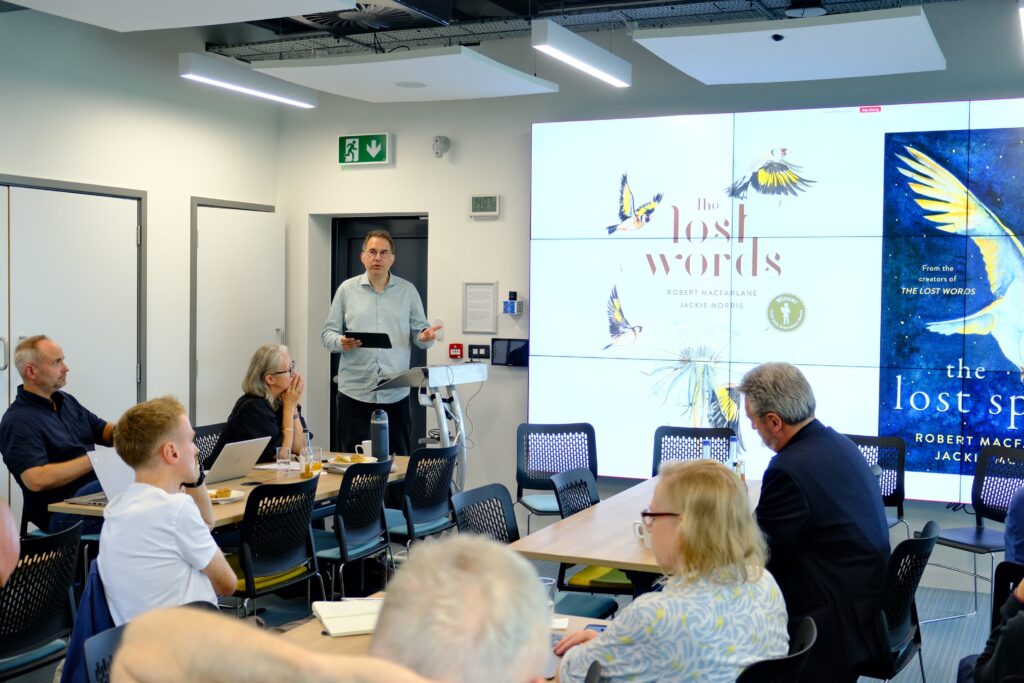
Furthermore, Professor Stef Craps highlighted how literacy and cultural works could counteract the loss of environmental memory through an aesthetically mediated way, beyond direct encounters. Collective remembering can overcome individual forgetting. As showcased by the photography exhibition ‘FORGET ME NOT’, visitors are invited to share the animals and plants that they reckon we should never forget, plus their own birth years. This creates a transgenerational scene of biodiversity, where people from different times, places, and cultures contribute their lived experiences and environmental attachments to a common stock of nature memory. ‘The world we inherited is not the only world there could be’, said Stef. (Read more about Stef’s work on combatting environmental generational amnesia.)
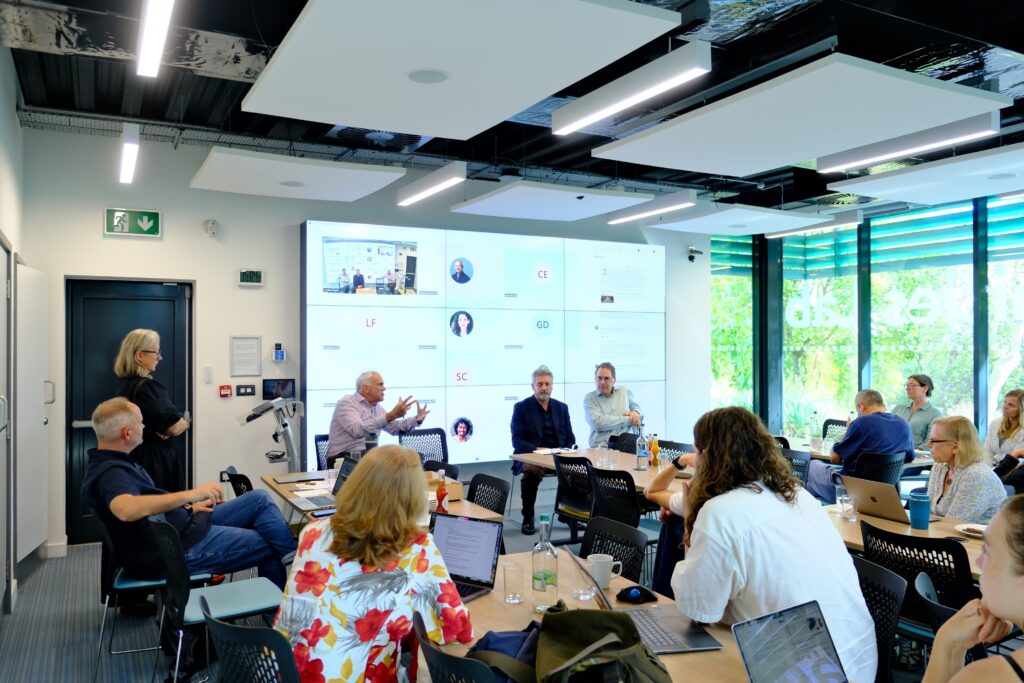
After our speakers’ presentations, we invited all participants, online and in the room, to join the conversation. Questions arose around the difference between personalised and mediated experience, between the physical and imaginative interactions with nature, and their limitations. The discussion continued by considering implications for conservation practice and new directions of policymaking. As RENEW and BaPN have been committed to, interdisciplinary conversations and actions make a good start to protect and inspire our future.
Banner image: The UNESCO world heritage listed garden at the Summer Palace in Beijing. Photo Credits: Bingshu Zhao.


