RENEW
A man sits on a rock by a pond, writing in a notebook

New film series showcases the beautiful, nature rich, landscapes of the South West and the conservation efforts that sustain them.

Published on 16 June 2025

Today marks the launch of a new film series exploring the natural wonders of South West England’s protected sites and the vital conservation efforts protecting them.


The stunning beauty of the South West has inspired many writers and artists, but now Natural England have joined forces with a RENEW poet and film maker to create a series of six inspiring videos about nature on protected sites in this corner of the country.

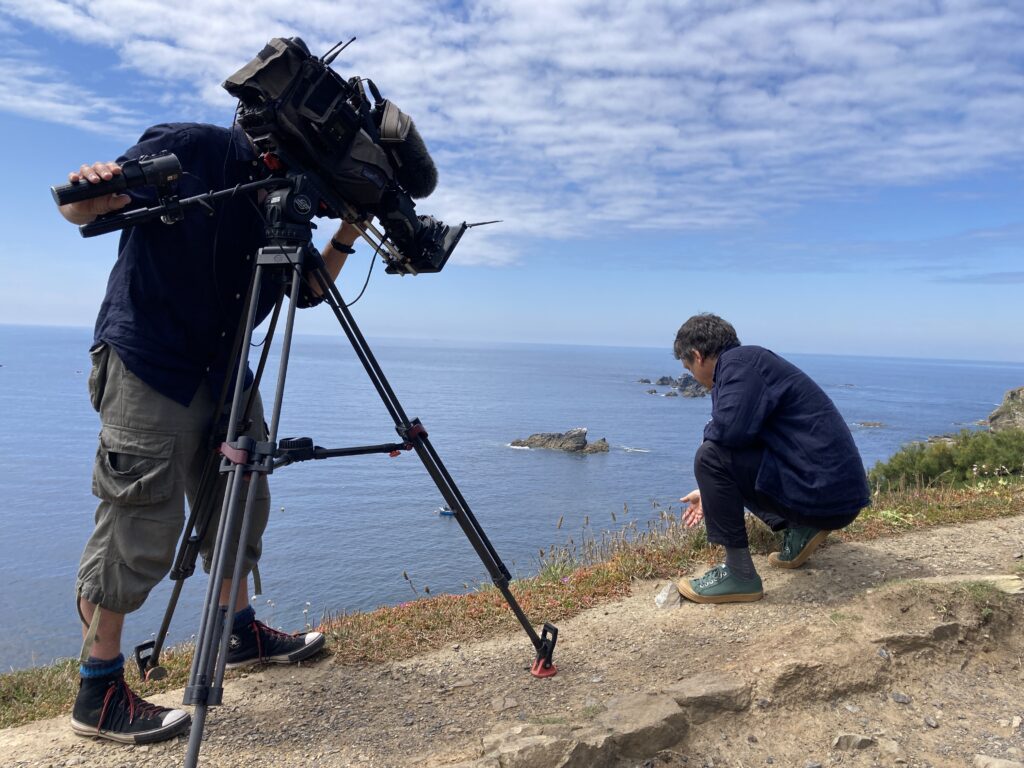
A man crouching on a coastal path, being filmed by another man with a camera
Professor John Wedgwood Clarke examining the extremely rare Long-Headed Clover struggling to survive amongst the invasive Purple Dewplant. Lizard Point, Cornwall. Photo: Susan Willis

Taking in Protected Sites across Cornwall, Devon and Somerset, the films are a result of a collaboration between Natural England’s Protected Site Strategies (PSS) Research and Development Programme and RENEW.

The aim of future Protected Site Strategies will be to ensure the root causes of environmental issues – often driven by factors beyond the sites themselves – are addressed in ways that guarantee wildlife thrives on those sites, while helping nature recovery beyond their boundaries. All six of the Protected Sites chosen for the films are Sites of Special Scientific Interest and Habitat Sites.

Each film, created by Plymouth-based filmmaker Simon Willis, includes two short poems, specially written by John Wedgewood Clarke, Co-Investigator on RENEW Theme 2 (Community Action). The films celebrate the beauty and diversity of nature on the sites and the key achievements and projects that have restored habitats and species and are successfully tackling environmental change and impacts resulting from human activity.

David Burton, Natural England’s Principal Officer for the Protected Site Strategies Implementation and Development programme, said:

“We supported the production of the films to research how creative media can help re-set the relationships between people and nature within the framework of Protected Site Strategies. The approach is to educate and highlight the need for nature recovery to everyone.”

“Too often the environment sector has failed to communicate the plight of biodiversity in accessible, positive and thought-provoking ways. For Protected Site Strategies to realise the ambition we have set for them, resetting the relationships between nature and people in ways that build a resilient future for all, we need to harness the power of creative channels for our call to action. John, Simon, and the rest of the team have created inspirational stories through film and poetry to help set our first few Protected Site Strategies on their way.”

Simon Willis, filmmaker, said:

“It’s been a privilege to work with all the nature reserves and John. The human effort that goes into keeping them thriving for wildlife is remarkable. I hope our images and John’s words encourage people to look beyond the picture postcard and really value the wildlife that makes the South West such a great place to visit.”

John Wedgwood Clarke, Professor of Poetry at the University of Exeter, and RENEW Co-Investigator, said:

“The South West’s diverse and beautiful landscapes have been the source of great joy for so many people and have inspired writers and artists over time. But take a closer look and you realise how fragile many of our ecosystems have become and the lengths to which our agencies and charities have to go in order to conserve their biodiversity.”

“I hope these films, and the visual and verbal poetry they contain, inspire people to explore this beautiful part of the world and think about how they can support, in whatever way they can, the work the goes in to helping people and nature thrive together in these special places.”

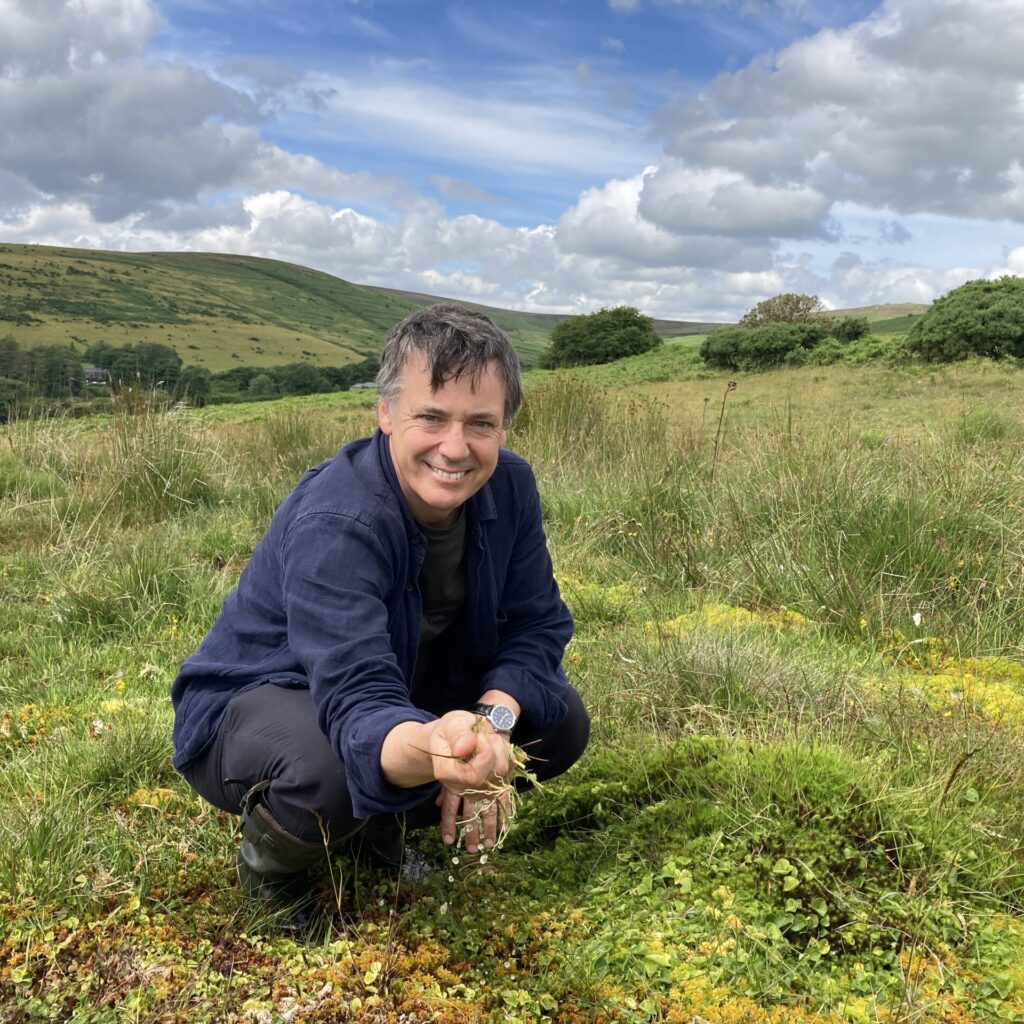
A John Wedgwood Clarke crouching with sphagnum moss in his hand, smiling into the camera.
Professor John Wedgwood Clarke squeezes water from sphagnum moss on the Challacombe Farm acid flush. Photo: Susan Willis

Professor Rosie Hails, Director of Nature & Science at the National Trust said:

“We know that for people to protect nature and our fragile ecosystems, that they have to care for it first.  By using poetry and creating these films we aim to bring the beauty of these six south-west locations into their homes and onto their mobile devices, and to inspire them to visit and to help look after these special places.”

“Kynance on the Lizard Peninsula is one of our richest sites for rare and threatened species. The unique geology of granite cliffs with serpentine rocky exposures supports some of our most notable species such as land quilwort, pygmy rush and upright clover amongst the swathes of Cornish heath that make the site a National Nature Reserve.”

“As part of the Trust’s new strategy we will be targeting the rejuvenation of these important plant varieties through innovative management techniques to ensure the special species thrive into the future.”

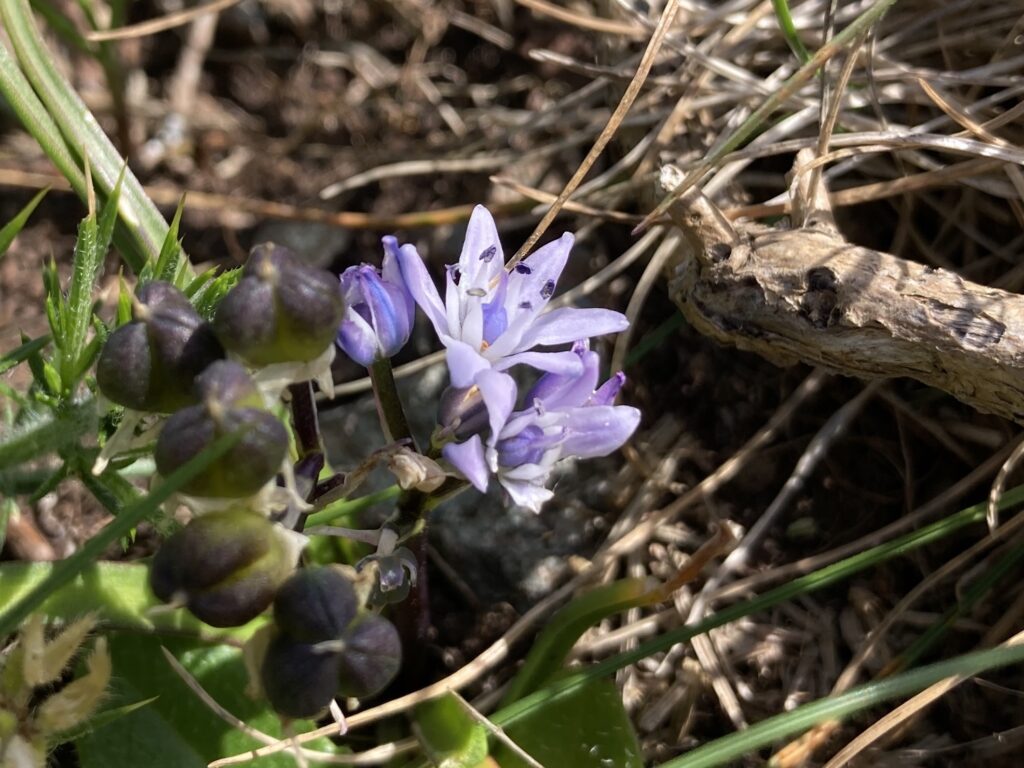
A close up image of a purple wildflower
Spring Squill, wildflower, Kynance Cove, the Lizard. Photo: Susan Willis

The first of the films, which features Kynance on The Lizard, is released today on YouTube and you can watch it below.

The other films will be released weekly on Mondays. They are: Goonhilly Downs National Nature Reserve, Cornwall, 23 June; Challacombe Farm, Dartmoor, 30 June; Westhay Moor National Nature Reserve, Somerset, 7 July; Exe Estuary, Devon, 14 July; Otter Estuary, Devon, 21 July.

Banner image: Professor John Wedgwood Clarke writing poetry by the pond. Photo: Susan Willis


University of Exeter logo National Trust logo NERC logo
renew@exeter.ac.uk